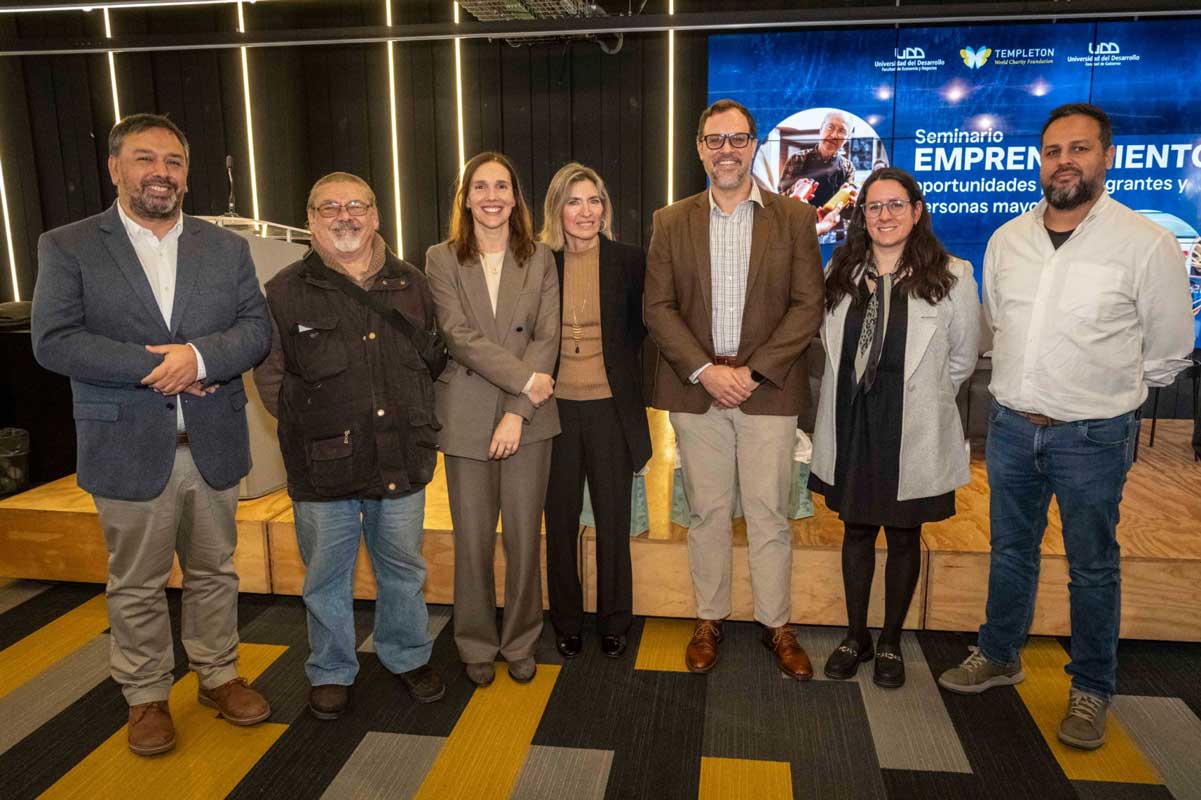
With the support of the Templeton World Charity Foundation, the Universidad del Desarrollo (UDD) presented the results of a pioneering study in Chile examining how entrepreneurship can become a tool for inclusion and personal fulfillment among migrants and older adults. The study was jointly developed by the UDD School of Government and the UDD Faculty of Economics and Business, and its findings were presented during a seminar that brought together national and international experts.
The research addresses one of today’s major demographic and social challenges: the barriers and discrimination faced by migrants and older adults in the labor market. From an interdisciplinary perspective, the project argues that entrepreneurship can not only facilitate economic integration, but also foster higher levels of well-being and human flourishing.
Funding from the Templeton World Charity Foundation made it possible to carry out this pioneering study in Chile, combining applied research, fieldwork, and dialogue among academia, the public sector, and entrepreneurs. The international foundation supports initiatives focused on human flourishing, individual freedom, and innovative solutions to major societal challenges.
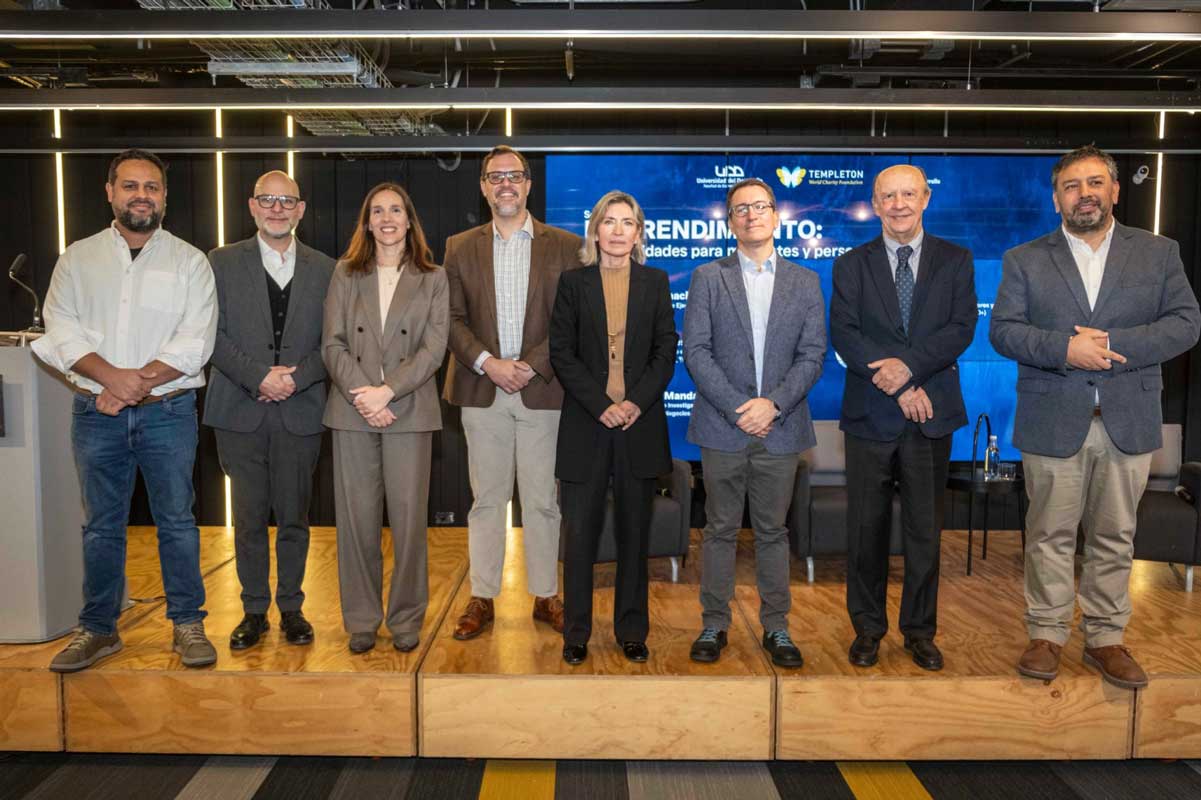
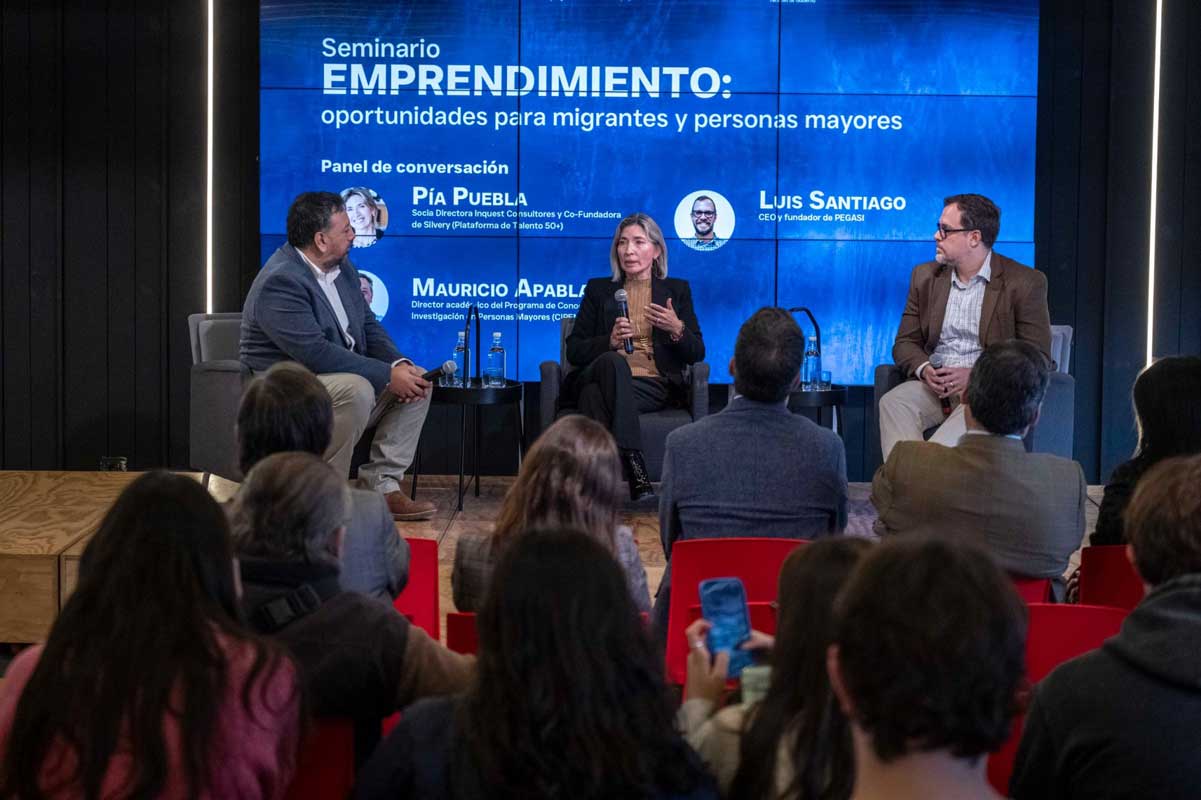
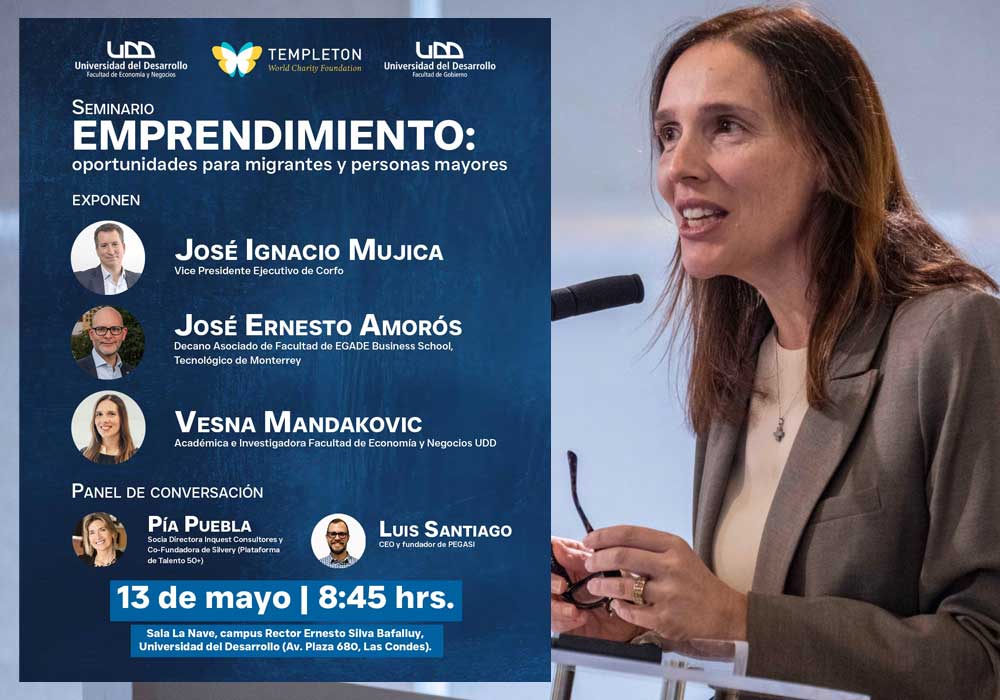
The seminar featured the participation of José Ignacio Mujica, Executive Vice President of CORFO; José Ernesto Amorós, Associate Dean at EGADE Business School; and Vesna Mandakovic, lead researcher of the project. The discussion panel also included Pía Puebla, co-founder of Silvery, and Luis Santiago, founder of PEGASI.
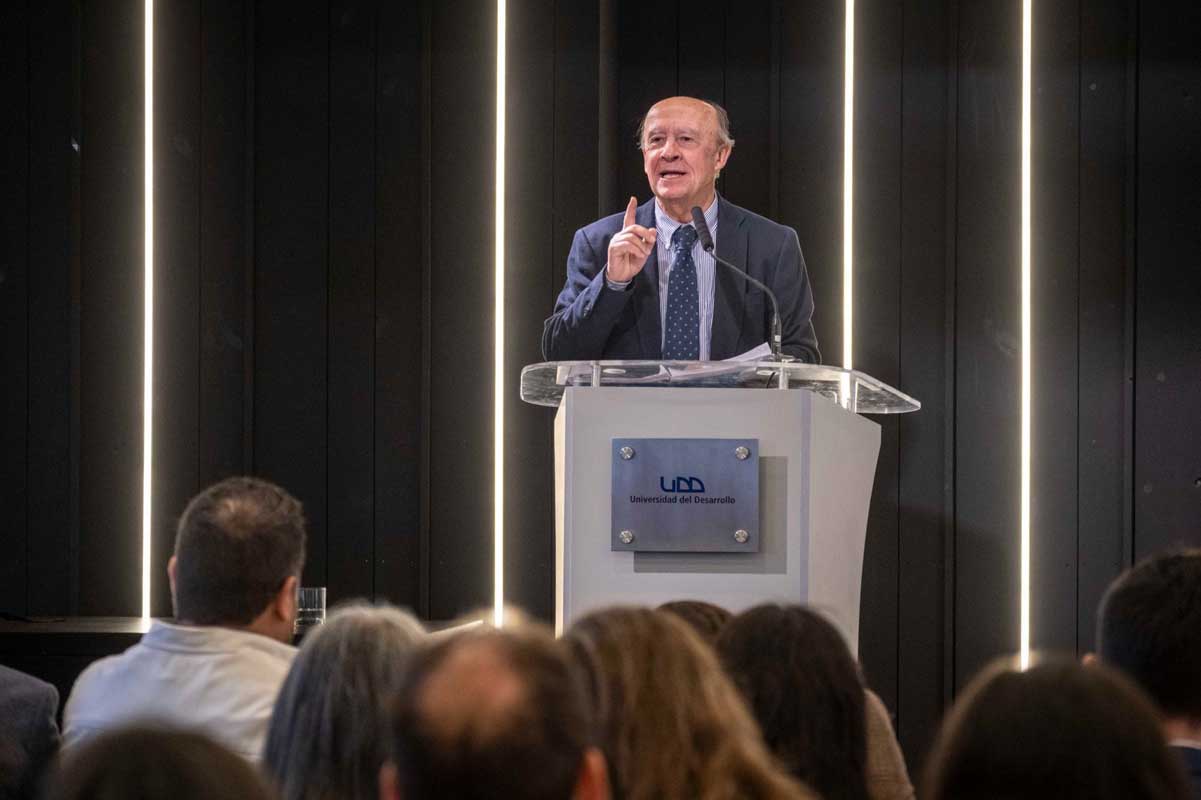
During the event, José Ignacio Mujica emphasized that both migration and population aging represent opportunities for the country’s economic development. In this regard, he explained that current support programs for migrants cover approximately 5% of the population and aim to reach 10%, reflecting the estimated share of migrants living in Chile.
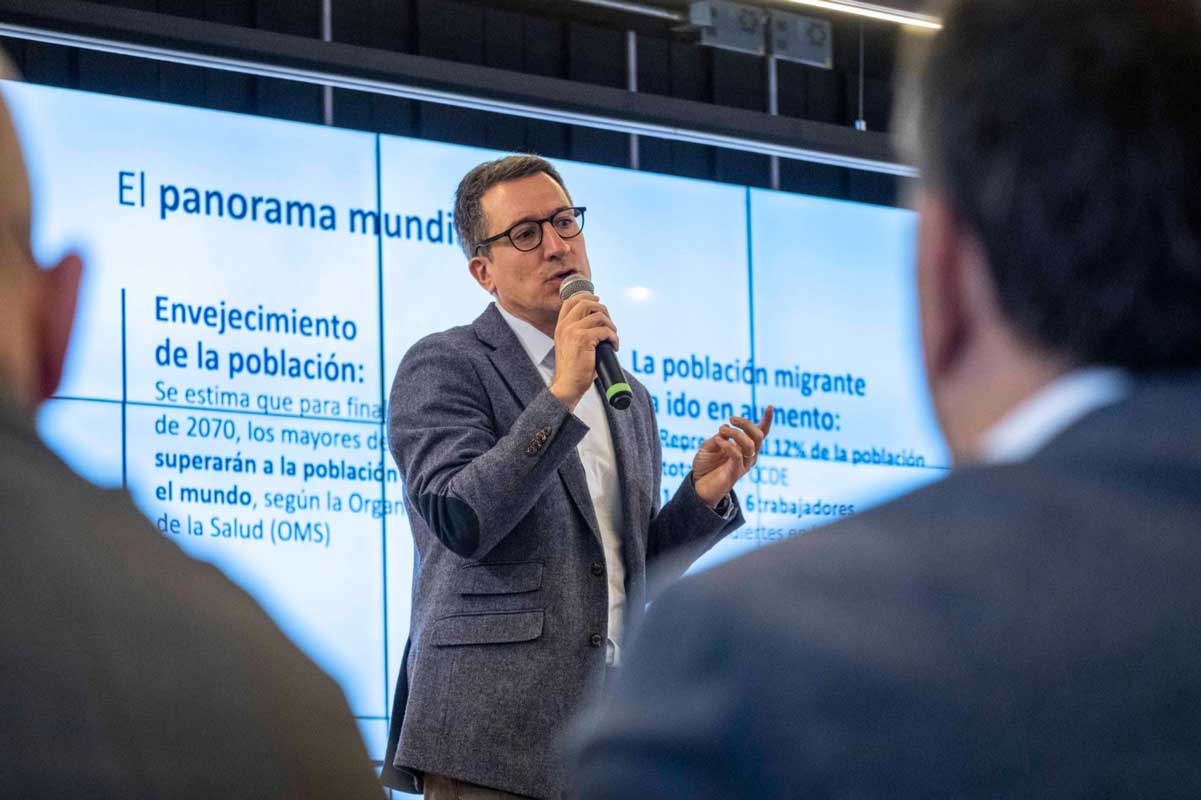
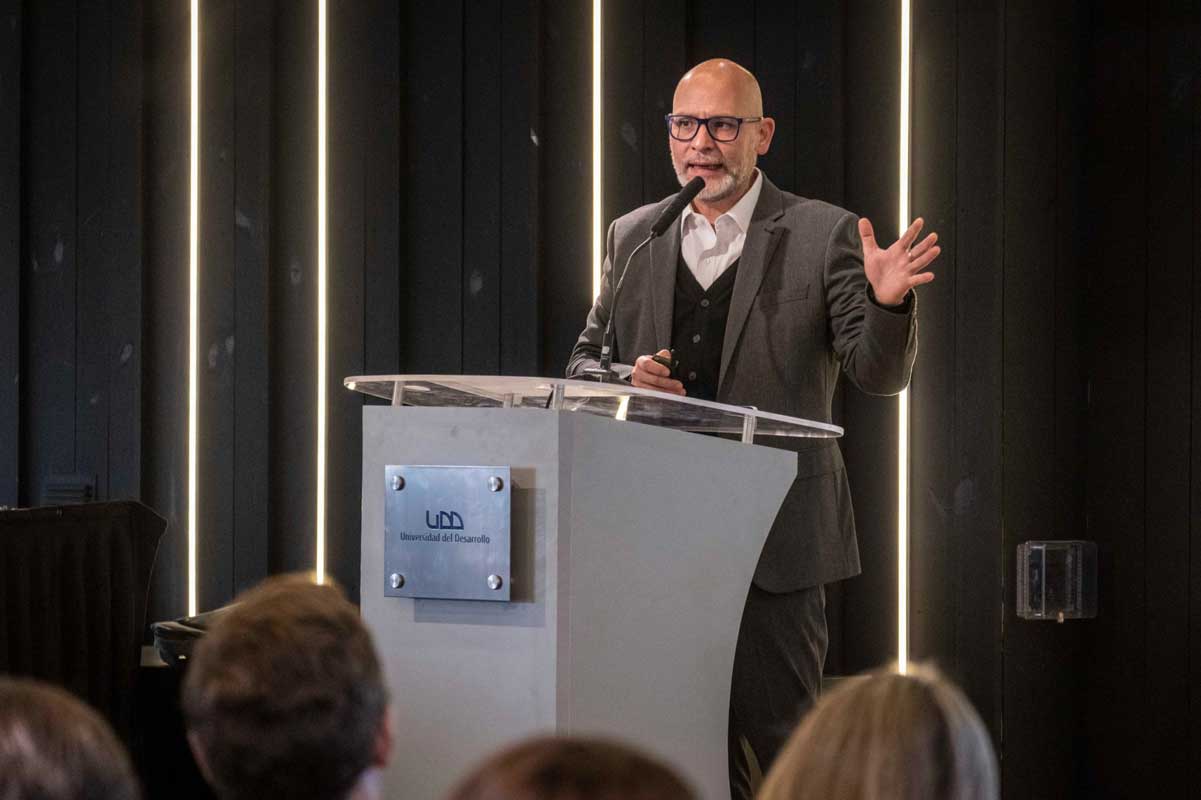
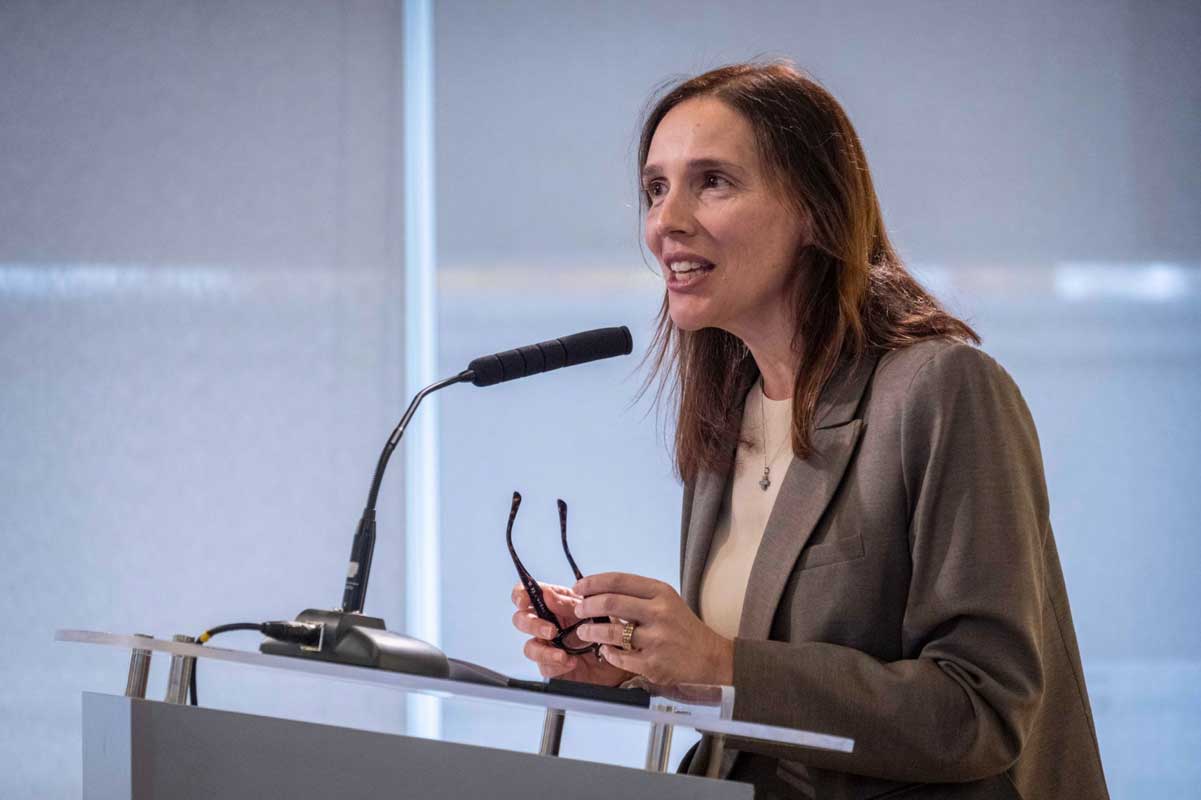
For her part, Vesna Mandakovic highlighted the importance of scientifically documenting the experiences of these groups and generating evidence that can inform public policy design. Likewise, José Ernesto Amorós stressed the need to build more inclusive entrepreneurial ecosystems capable of leveraging the talent and capabilities of older adults and migrants to contribute to economic and social development.