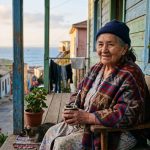

The world population is getting older. Older adults (people aged 60 and over) are 1 trillion of the current population and it is estimated that by 2050 it is 2.1 billion.
Aged countries are characterized by having high middle age, low fertility rate, high life expectancy and low infant mortality. The oldest continent in the world is Europe (with a median age of 42 years), while the youngest is Africa (with a median age of 19 years).
Chile has experienced an accelerated aging process in the last 3 decades. Currently, Chile is the third oldest country in Latin America with 19.1% of its population being older adults, twice what it was in 1990 (9.5%), along with Cuba and Uruguay.
The increase in the elderly population in Chile has been faster than in countries such as Japan, Greece or Finland, particularly in the advanced stages after 15% of older adults. As a whole, Chile doubled its percentage of older adults in the population from 10% to 20% in just 30 years, 9 years less than the average number of countries (39).
The population of older adults in Chile, according to preliminary data from the Census 2024, reaches 3,660,000 people, of which approximately 2 million are in the central area. The population of older adults proportional to the population is higher in the southern area (around 21%) and smaller in the northern zone (about 15%). The region with the highest percentage of older adults is Ñuble (23.3%) and the region with the lowest percentage is Tarapacá (14%).
Older adults in Chile are mostly women (55%) than men (45%), a stable distribution in all regions. Part of this is explained by the persistent life expectancy gap between men and women, with which women have lived 4 years longer than men since 1950. Today, the female life expectancy is 83 years and that of 79-year-olds.